MemeHub guide
Reaction Meme Guide
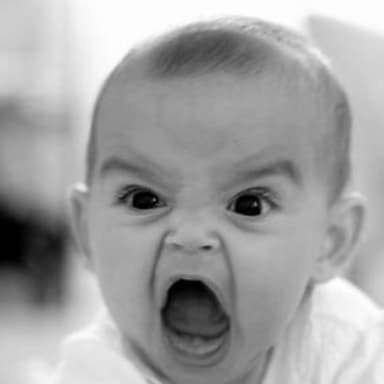
Reaction memes work when the image feels like the response people wanted to give themselves. The caption sets the situation; the expression delivers the feeling.
By Fardeen · Updated 2026-08-23
Decide which feeling should land
Choose one dominant feeling—disbelief, delight, embarrassment, frustration, relief, or suspicion. If the image communicates a different emotion, the meme will feel disconnected even when the text is good.
Name the feeling before you search. “Awkward relief” will lead you toward a different expression than “outrage,” and that small distinction often determines whether the final reaction feels specific or generic.
Intensity matters too. A tiny inconvenience may call for a deadpan look, while a genuine surprise needs a face that can carry a stronger response. Matching the scale of the image to the scale of the situation keeps the meme from feeling randomly dramatic.
Use the caption for context
A reaction image does not need a long caption. Give the audience the situation or trigger, then let the face, pose, or scene act as the response.
Write the event first and the response second. For example, the text can describe opening a message from a manager, while the image supplies the feeling of instant panic. This division keeps the caption readable and stops it from competing with the expression.
Avoid saying exactly what the image says
The funniest reaction memes often create a small gap between the words and the expression. Instead of labeling a face as “shocked,” describe the event that caused the shock.
Avoid captions such as “me when I am shocked” unless the repetition is intentionally the joke. A better line gives the viewer something to imagine: the unexpected notification, the question with an obvious answer, or the friend who arrives with one more problem.
Browse by audience and moment
A work reaction, gaming reaction, and family reaction can use different references even when the emotion is the same. Start with the reaction collection, then choose a topic-specific format when your audience needs more context.
The best reaction image leaves a little room for the viewer to recognize themselves in the situation. Avoid captions that explain every possible interpretation; give enough context for the response to land and let the expression finish the thought.
Review the crop before you publish. A reaction depends on eyes, posture, hands, or another small visual signal, and an aggressive crop can remove the very detail that makes the response readable. Keep enough of the scene for the audience to understand what kind of reaction they are seeing.