MemeHub guide
What Is a Meme?
A meme is more than a picture with text. It is a compact way to share a recognizable situation, a point of view, and a feeling with people who understand the reference.
By Fardeen · Updated 2026-08-23
A meme combines a format and a point of view
A useful way to understand a meme is as a familiar visual format carrying a new observation. The image may show a reaction, a comparison, a sequence, or a recognizable character, while the caption gives that format a specific situation and an angle.
The format makes the idea quick to recognize. The point of view makes it worth sharing. A blank template can be reused many times, but each strong version changes the context enough that the audience sees a familiar image in a new situation.
- A visual structure people can recognize.
- A caption or context that adds a new meaning.
- A point of view that makes the combination feel worth sharing.
Templates do part of the communication
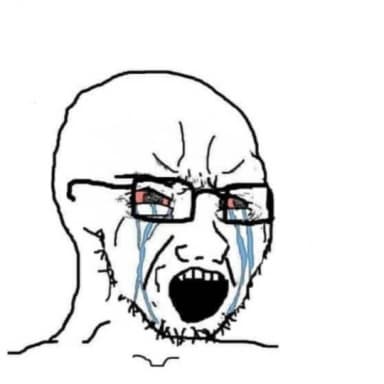
A reaction image tells the audience how to feel, a two-panel format creates a comparison, and a sequence tells people to follow events in order. This visual grammar works before anyone reads every word, which is why choosing a template is part of writing the joke rather than a separate decoration step.
The most effective template is not always the most popular one. Choose an image that performs the visual job your idea needs. If the caption describes an unexpected result, a surprised reaction or expectation-versus-reality layout may be more useful than a famous image with the wrong expression.
Captions create the turn
A caption usually gives the audience a setup and then changes the expectation. The turn can be an exaggeration, an awkward consequence, a contradiction, or a comparison that makes an ordinary situation feel specific.
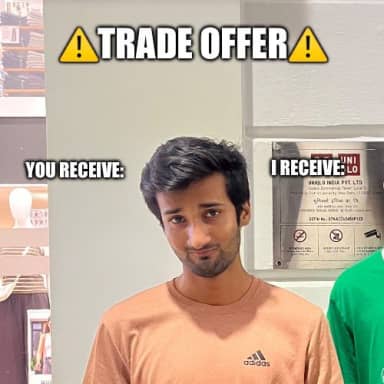
The words should add information instead of repeating the image. If the face already looks shocked, describe the message or event that caused the shock. If two panels already show a choice, use the labels to make the contrast precise rather than explaining that the image is a comparison.
- Make the situation concrete.
- Keep the punchline shorter than the explanation you first wrote.
- Let the image communicate emotion, structure, or timing.
Context determines whether the joke lands
A meme can be instantly clear inside one group and confusing outside it. References to a game, workplace, language, film, or local culture are not automatically a problem; they simply require an audience that shares enough context to understand the turn.
Good context is selective. Add the one detail that lets the intended audience recognize the situation, but do not paste a private conversation or a paragraph of background onto the image. The meme should preserve the idea while removing information that does not need to become public.
When a joke depends on a real person, private message, or third-party image, consider permission, attribution, and the possibility of harm before sharing. A format can be public and familiar while a particular photograph, conversation, or caption still belongs to someone else.